Independent desk-based research
Magnesium and Nerve Function
Magnesium is physiologically important to nerve and muscle function, but that fact should not be stretched into disease-treatment claims.
What NIH says magnesium does
NIH’s Office of Dietary Supplements describes magnesium as a cofactor in hundreds of enzyme systems and notes roles in normal muscle and nerve function. It also participates in the movement of calcium and potassium ions across cell membranes, a process important for nerve impulse conduction and muscle contraction.
Does that mean magnesium treats neuropathy?
No. A normal biological role is not the same as evidence that supplemental magnesium treats neuropathy or reverses nerve damage. Whether supplementation is useful depends on intake, deficiency status, the specific condition being considered, dose, and individual medical context.
Why form and amount matter
Different supplements use different magnesium salts and provide different amounts of elemental magnesium. The front label can say “magnesium” while the Supplement Facts panel carries the information needed for comparison.
How this relates to Nerve Alive
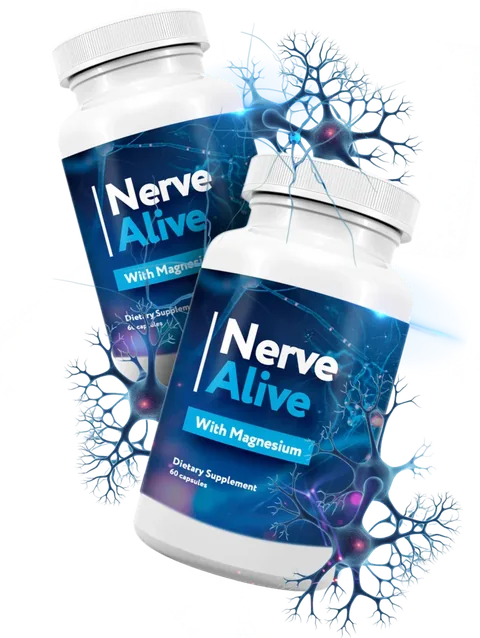
The supplied Nerve Alive bottle artwork says “With Magnesium,” but the public merchant page available to this site did not expose a complete Supplement Facts panel. Buyers should verify the current amount and form rather than assuming the dose from the front label.
Safety and interactions
Magnesium supplements can interact with some medicines and high supplemental intakes can cause gastrointestinal effects. People with kidney problems can require special caution because impaired kidney function can affect magnesium handling. Ask a healthcare professional about your individual situation.